
The first essay I wrote in response to Ezra Klein’s op-ed about Charlie Kirk was titled “Ezra Klein is Garbage”. One of our editors at The Polis Project suggested I tone down the language so we wouldn’t alienate new readers who don’t know us yet, who might otherwise engage more meaningfully. But now that I’ve seen Ezra Klein’s podcast with Ta-Nehisi Coates, I feel no hesitation. Ezra Klein is garbage.
He doesn’t deserve another essay, but here I am writing one more to make a final point. Because once someone shows you who they are and Klein has, consistently, over the span of his career we should believe them. We should stop pretending otherwise. Stop wasting time in “good faith”.
The poverty of “winning”
Foundationally, Ezra Klein thinks a writer’s job is to be a political pimp, to manipulate narratives for the game of politics. He believes he is clever enough to play that game and win. But winning, in his calculus, has no connection to justice, dignity, or structural change. Winning only means the accumulation of more power for himself and people like him. Not for communities, not for building a minimum standard of survival in this collapsing world. For Klein, politics is nothing but performance. And performance is only about power.
Writing as discipline, not game
Coates reminded us and reminded Klien, though he wasn’t listening that a writer’s job is not to score debate points or outwit opponents in public forums. A writer’s task is to write, to situate themselves in history. To understand that change is often generational, sometimes invisible, always slow. And that our responsibility is to keep turning up every day, naming what must be named, refusing to prettify oppression.
I am reminded here of Mariame Kaba: we do this work until it frees us. That’s it. Not until the next election cycle, not until some prestige platform calls, but until it frees us. Writing as discipline, not game.
Why Klein is not worth our time
Ezra Klein is not engaging in good faith. He never has. And he has built a career on laundering elite anxieties into digestible liberal platitudes, selling the idea that an argument spoken in a particular cadence itself is substance. The truth is there is no substance there. There is only the churn of performance, and the constant reinforcement of existing hierarchies.
Why should we continue to grant him our time, our outrage, our attention? Every minute spent debating Ezra Klein is a minute stolen from the struggle, from the communities resisting, from the daily work of writing toward freedom.
Coates, then and now
My own relationship to Coates has shifted. The Coates I first read, who translated the Obama years for a white liberal audience in The Atlantic, is not the Coates I see now. Palestine has changed him. His writing carries that clarity: to name apartheid, to name genocide, to understand the lineage of oppression and connect it across histories. That’s why he matters as a writer of our time. Not because he has become the “next Baldwin,” but because he refuses to prettify violence, refuses to let language be stolen.
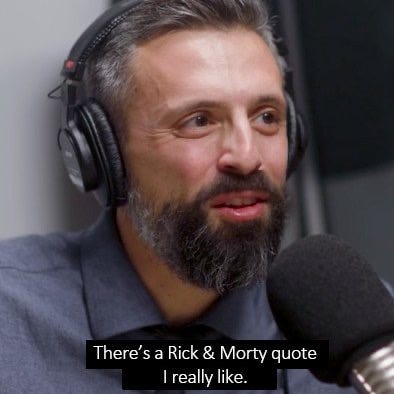
Which is why it’s painful to see him across from Klein, trapped in that shallow performance of a podcast he puts out. I wish Coates never again sit across from this garbage of a man.
And it was painful to watch Coates talk about hate, about the demand placed on black and brown folks to be respected, to be dignified in conversation — when the people he writes for and about have never been given that moment, that respect, that dignity in their lives.
Klein doesn’t say it out loud, but his face carries that look: so what. He does not understand. Coates, with patience and precision, showed the world yet again who Ezra Klein is. My fear is that no matter how smart, dignified, or thoughtful Coates is, the Klein figures in our media will proliferate. They will continue to be given the time and the platforms to explain the world to us. Klein will sit with Jon Stewart and others, forever explaining a world that does not exist for most people.
Refusal as strategy
There’s a politics to refusal. We don’t need to engage every bad-faith actor who demands our attention. We don’t need to dignify the argument industry with more arguments. There is power in walking away.
So this is the last time. Ezra Klein doesn’t deserve another essay. He doesn’t deserve the generosity of being read in good faith. He has already shown us who he is. And when people show you who they are, we believe them.
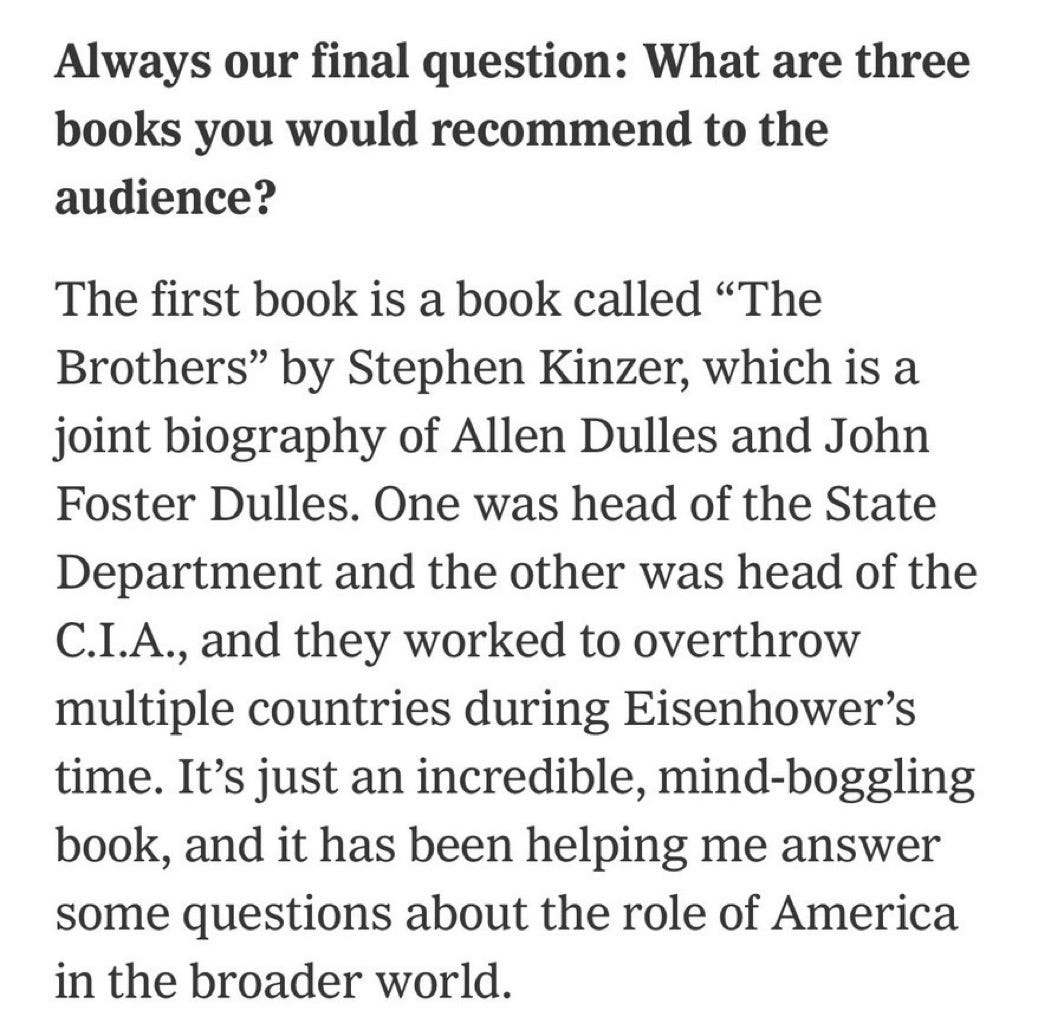
And maybe this is also a good time to say — if you’re American and you’ve never read The Brothers, it’s time. Read it because as Americans we need to truly understand how people like Klien exist and have managed amass a platform and power. Because in their world American power should and must exist at the cost of others — people, other nations. That is the world Ezra Klein belongs to.